


Respighi, Higgins and Strauss: The Morning Masterworks with QSO

How often do you get to hear a trombone concerto performed by a major symphony orchestra? Queensland Symphony Orchestra’s first Morning Masterworks concert for 2026 not only provides this first unique opportunity to the Brisbane audiences with Gavin Higgins’s concerto, but it does so with a female trombonist as the soloist. Add the Renaissance charm of Ottorino Respighi’s Trittico Botticelliano and the bold controversy of Aus Italien by Richard Strauss, and we get a program that is worth a subscription.
The concert opens with Respighi’s Trittico Botticelliano (1928), setting the scene for a bit of Renaissance-style trailblazing. Inspired by three famous paintings by Botticelli at the Uffizi Gallery, this three-movement tribute to the great artist is filled with original instrumentation, highlighting the colours and timbres of the instrumental voices brought to life by the musicians of the QSO.
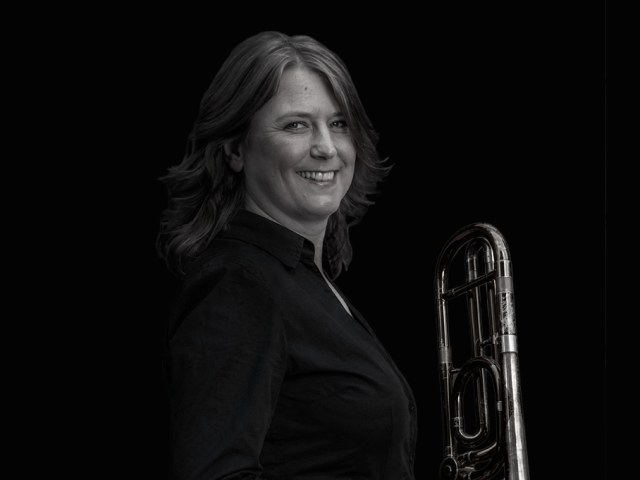
Respighi’s evocation of Botticelli’s The Birth of Venus – a ground-breaking painting in its time – is nicely in tune with Higgins’s trombone concerto that follows it, titled The Book of Miracles (2018). Higgins not only highlights one of the most hidden orchestral instruments, but he brings it to life with a female trombonist as a soloist. This bold and courageous work was written especially for Hellen Vollam, the Principal Trombone of the BBC Symphony Orchestra. Inspired by a recently discovered 16th century German manuscript filled with miracles, myths and folklore, this work is its own kind of miracle. This concerto challenges the conventional orchestral set up and astonishes the audiences with just how little we know of the instruments that sit behind the string sections. Vollam’s artistry is unapologetic, raw, and triumphant.
The imposing presence of Vollam’s trombone is complemented by the conductor’s engagement with the orchestra. Ricardo Minasi is a guest conductor from Hamburg’s Elbphilharmonie and the Zurich Opera House, and his passion shines in every stroke of his baton. The final piece he takes us through is Richard Strauss’s Aus Italien – a symphonic fantasy inspired by the Italian countryside (1886). In this Morning Masterworks concert, the QSO presents the fourth movement of the symphony, controversial for its use of a popular melody Funicula. What Strauss thought was a folk song, was in fact a melody written by Luigi Denza in 1880. Regardless of the strife between the composers, QSO’s rendition of this timeless theme is thoroughly enjoyable and makes for a great finale to this rich and textural program.
Morning Masterworks by QSO can be enjoyed as a package or a one-off concert throughout the year.


Comments